Continuous flow
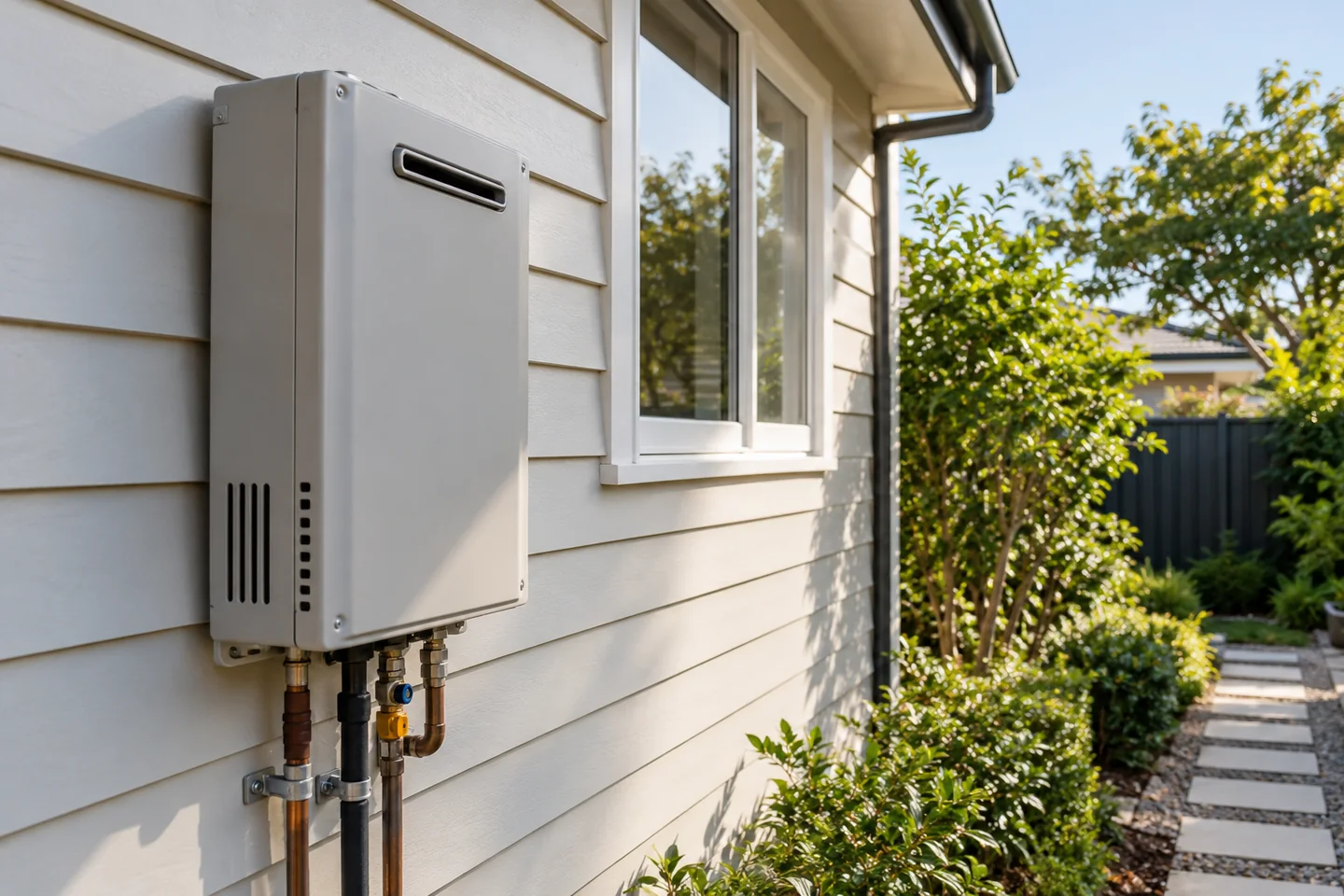
Water is heated as it is used. Record the model and any display message you have already seen. A change in output does not identify its cause.
Read the system notes ↗
HOT WATER & THE EVERYDAY HOME
When hot water changes, a clear account helps. Understand your system, gather what you already know and prepare for a conversation with a qualified professional.
Build an observation note01 / FIRST, IDENTIFY THE SYSTEM
A tank, a continuous-flow unit and a heat pump call for different questions. Identify the type from existing documents or a safely visible label; leave covers and connections alone.
Water is heated as it is used. Record the model and any display message you have already seen. A change in output does not identify its cause.
Read the system notes ↗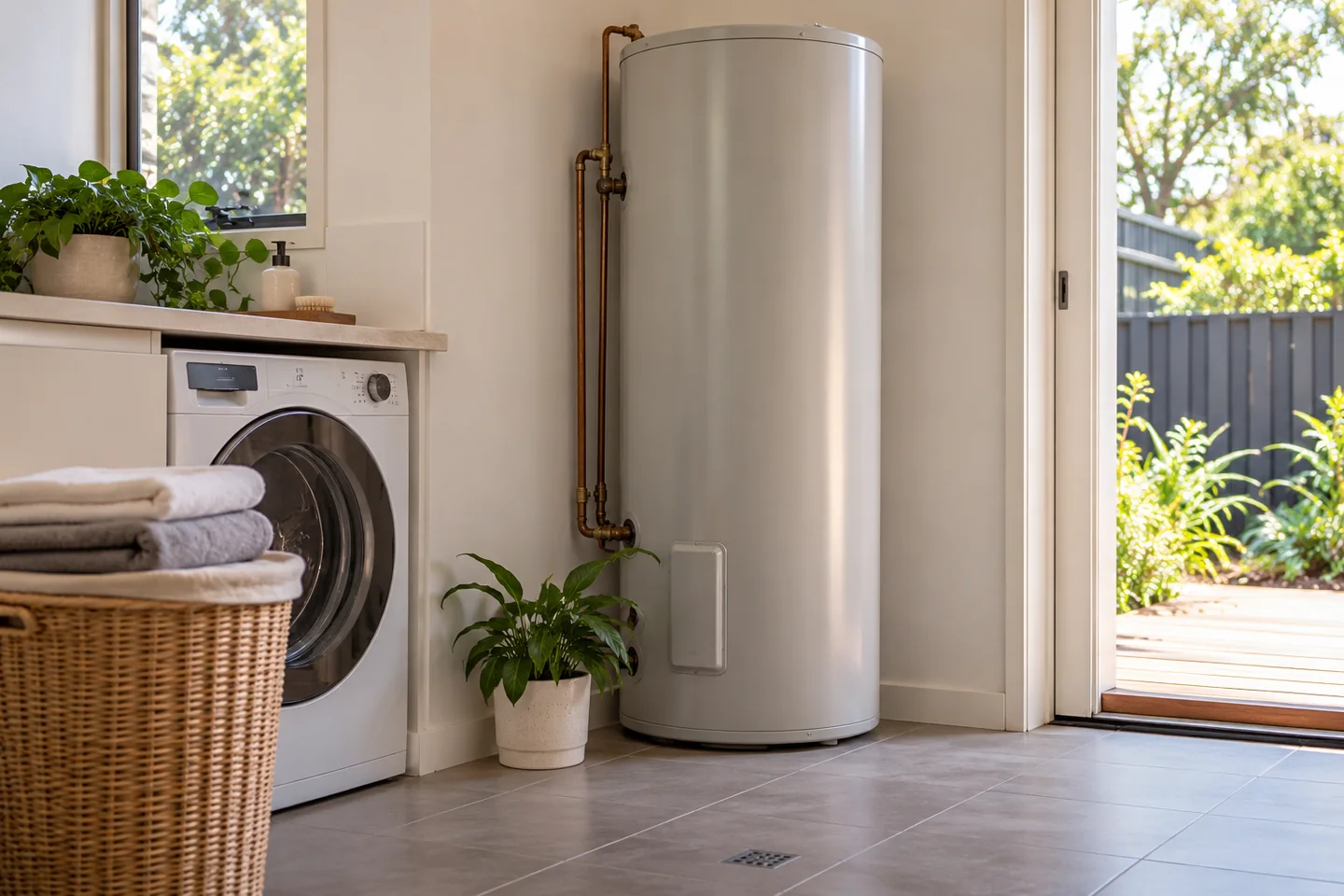
A cylinder holds heated water. Note changes in normal usage and supply without changing settings or trying to access electrical components.
Understand the distinction ↗02 / AN OBSERVATION, NOT A DIAGNOSIS
Choose the details that match what you have already noticed. This tool organises questions; it cannot establish whether an appliance is safe.
Selections stay on this page. Nothing is sent to a technician.
Danger signs need a different response ↗
03 / THE USEFUL DETAILS
Small, specific observations often make the opening conversation easier.
04 / THE PROFESSIONAL PART
A website cannot inspect a flue, test an electrical connection or approve a gas installation. Those are professional responsibilities.

05 / BEFORE AUTHORISING WORK
There are no repair prices or service offers on Meluvorin. Use these questions when comparing a real provider’s written estimate.
Is there a call-out or inspection charge? What does it cover, and when is it payable?
Which items are included? What must be confirmed after the appliance has been examined?
How will additional work be explained and authorised? Ask for an updated scope before agreeing.
What record will you receive? Where can you find the provider’s terms and any applicable warranty information?
06 / YOUR DEVICE, YOUR CHECKLIST
This checklist remembers ticks in this browser only. It does not send a request or arrange a visit.
0 of 5 preparation items checked
07 / EVERYDAY CONTEXT
Usage patterns can change. Record the context without deciding that it explains a fault.
Guests, a new routine or time away may be worth mentioning during an assessment. These details help a professional understand the circumstances, but they do not establish a diagnosis.
Follow the manufacturer’s operating instructions. Avoid experimenting with hot-water settings, dismantling controls or repeatedly restarting a system to reproduce a problem.

08 / BEYOND HOT WATER
Explore the safe information to prepare for refrigerators, ovens and cooktops.

09 / AFTER AN ASSESSMENT
A clear record helps the next conversation start with facts.
Do not rewrite a professional report as your own technical diagnosis. Keep the original wording and ask the provider to explain anything unclear.
10 / READ A LITTLE FURTHER
Each guide answers a different preparation question.
Understand common hot-water types and the limits of a visual observation.
↗02Recognise why a suspected gas emergency needs immediate help outside this website.
↗03Bring records, clarify access and agree on the scope of the visit.
↗04Use precise observations for the appliances around your kitchen.
↗
11 / A CALMER NEXT STEP
You do not need a theory about what failed. You need an accurate account of what changed and a qualified person to assess it.
Return to the observation builder ↗Organising information, understanding the purpose of an assessment and preparing questions.
Meluvorin is not a repair business, booking service, emergency channel or licensing authority. Illustrative images do not identify staff or real service appointments.
How the guide is presented ↗12 / QUESTIONS THAT COME UP
Open a question to read the explanation.
No. It prepares a short set of questions from your selections. A physical assessment may be needed to establish the cause and the appropriate action.
No repair service is offered or arranged by this website. Contact a suitable provider directly and confirm their credentials and availability.
Do not remove covers or move equipment for this guide. Use documents or a label that is already safely visible. It is fine to record the model as unknown.
No. The ticks are stored locally in this browser. Clearing site data or using a different browser can remove or change what you see.
The contact form saves a record on this website after validation. That is not a claim that email was delivered, and no response time is promised.
Use the relevant state or territory energy-safety regulator and your gas distributor. The safety page links to official guidance; local requirements can differ.
13 / CONTACT THE GUIDE
Ask about a page, suggest a correction or send an editorial question.
Do not use this form for urgent appliance problems. Never include passwords, identity documents or private service records.
[email protected] ↗Email delivery is unverified. A successful form submission means the enquiry has been stored here.
14 / TAKE THE NEXT STEP WITH CONTEXT